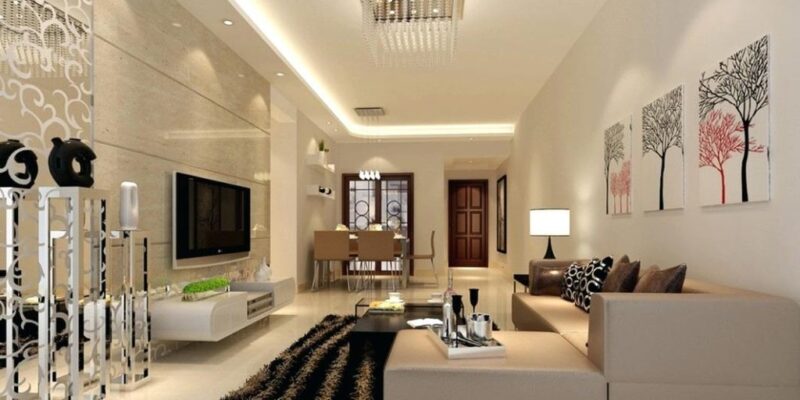
 By
By Interior lighting is one of the most powerful tools designers use to shape how a space feels and functions. Well-planned lighting improves comfort, enhances architectural features, supports daily activities, and creates visual balance across rooms. Poor lighting, on the other hand, can make even beautifully designed interiors appear flat and uninviting.
Professional designers approach lighting as a layered system rather than a single overhead solution. By combining multiple lighting techniques strategically, homeowners can transform ordinary interiors into comfortable and visually refined living environments.
Below are the most effective interior lighting techniques designers consistently recommend.
Use Layered Lighting Instead of a Single Light Source
One of the most important principles in interior lighting design is layering. Designers rarely rely on a single fixture to illuminate a room because different activities require different light levels and directions.
Layered lighting typically includes:
- Ambient lighting for overall illumination
- Task lighting for focused activities
- Accent lighting for highlighting features
- Decorative lighting for visual interest
Combining these layers creates depth and flexibility. Rooms become more functional while maintaining a comfortable atmosphere throughout the day.
Layering also allows lighting to adapt to different moods and occasions.
Prioritize Ambient Lighting as the Foundation
Ambient lighting provides the base level of illumination that supports safe movement and general visibility.
Common ambient lighting sources include:
- Ceiling-mounted fixtures
- Recessed lighting systems
- Flush-mounted lights
- Cove lighting installations
A well-balanced ambient layer ensures that shadows are minimized without creating glare or uneven brightness.
Designers often distribute ambient lighting evenly across the ceiling to maintain consistent coverage.
Add Task Lighting Where Activities Occur
Task lighting improves visibility in areas where detailed work takes place. Without proper task lighting, spaces may appear bright overall but remain uncomfortable for specific activities.
Common task lighting locations include:
- Kitchen countertops
- Reading corners
- Home office desks
- Bathroom vanities
- Bedside tables
Focused illumination helps reduce eye strain and improves productivity.
Adjustable task lighting allows flexibility depending on the activity being performed.
Use Accent Lighting to Highlight Architectural Features
Accent lighting draws attention to design elements that might otherwise go unnoticed.
Popular accent lighting applications include:
- Highlighting artwork
- Illuminating textured walls
- Emphasizing shelving displays
- Showcasing architectural niches
- Enhancing feature walls
Accent lighting creates contrast and visual interest, which helps interiors feel layered and professionally styled.
This technique also adds dimension to otherwise flat wall surfaces.
Install Dimmers for Greater Lighting Control
Dimmers provide flexibility that standard switches cannot offer.
Benefits of dimmer-controlled lighting include:
- Adjustable brightness levels
- Improved energy efficiency
- Enhanced mood control
- Extended bulb lifespan
Designers frequently recommend dimmers in living rooms, bedrooms, and dining areas because these spaces benefit from adaptable lighting levels throughout the day.
Dimmers also help transition spaces between functional and relaxing settings.
Use Warm Lighting for Comfortable Living Areas
Lighting color temperature influences how people experience a room emotionally.
Warm lighting works especially well in:
- Bedrooms
- Living rooms
- Dining spaces
- Reading areas
Warm tones create a relaxed and welcoming environment that supports comfort and conversation.
Designers often reserve cooler lighting temperatures for work-focused spaces such as kitchens and offices.
Position Lighting to Reduce Shadows
Poor fixture placement can create uncomfortable shadows that affect both visibility and aesthetics.
Strategic positioning helps ensure:
- Balanced illumination
- Reduced glare
- Improved facial visibility
- Comfortable reading conditions
For example, placing lighting slightly in front of mirrors rather than directly above them improves bathroom usability significantly.
Balanced placement enhances both functionality and visual comfort.
Highlight Vertical Surfaces to Expand Perceived Space
Lighting vertical surfaces such as walls helps interiors appear larger and more open.
Wall-focused lighting techniques include:
- Wall sconces
- Wall washers
- Cove lighting
- Indirect perimeter lighting
Illuminated walls reflect light deeper into the room, creating a brighter and more spacious appearance.
Designers often use this approach in compact living areas and hallways.
Choose the Right Fixture Scale for Each Room
Lighting fixtures should match the proportions of the space they serve.
Oversized fixtures can overwhelm smaller rooms, while undersized fixtures may appear ineffective in larger spaces.
Designers evaluate:
- Ceiling height
- Room size
- Furniture placement
- Visual balance
before selecting fixture dimensions.
Proper scaling ensures lighting supports both function and aesthetics.
Use Recessed Lighting for Clean Ceiling Lines
Recessed lighting creates a streamlined appearance that works well in modern interiors.
Benefits include:
- Reduced visual clutter
- Even light distribution
- Flexible placement options
- Compatibility with layered lighting strategies
Designers often combine recessed lighting with decorative fixtures to achieve both clarity and character.
Spacing between recessed fixtures should be planned carefully to avoid uneven illumination.
Add Pendant Lighting to Define Key Zones
Pendant lighting helps visually organize spaces within open layouts.
Common pendant lighting locations include:
- Kitchen islands
- Dining tables
- Entryways
- Reading corners
Pendant fixtures act as focal points while providing targeted illumination.
Choosing fixtures that complement surrounding materials improves overall design cohesion.
Use Floor Lamps to Introduce Flexible Lighting
Floor lamps offer adaptable lighting without requiring structural changes.
Advantages include:
- Easy repositioning
- Supplemental lighting support
- Improved corner illumination
- Visual layering enhancement
Designers frequently use floor lamps to soften shadows created by overhead fixtures.
They are especially useful in rental homes where permanent installations may not be possible.
Install Under-Cabinet Lighting in Kitchens
Under-cabinet lighting improves both visibility and safety in food preparation areas.
Benefits include:
- Reduced countertop shadows
- Improved task clarity
- Enhanced backsplash visibility
- Better nighttime navigation
This technique also adds a subtle decorative glow that enhances kitchen ambiance.
Energy-efficient LED strips are commonly used for this purpose.
Use Cove Lighting for Indirect Illumination
Cove lighting provides indirect illumination by reflecting light off ceilings or upper walls.
This technique creates:
- Soft ambient brightness
- Reduced glare
- Increased ceiling height perception
- A refined architectural effect
Designers often use cove lighting in bedrooms and living rooms to produce calm and elegant environments.
Indirect lighting improves visual comfort significantly.
Highlight Artwork With Directional Lighting
Artwork becomes more visually engaging when properly illuminated.
Directional lighting techniques include:
- Picture lights
- Adjustable track fixtures
- Accent spotlights
Proper placement enhances color visibility and texture detail without causing glare.
Artwork lighting should remain subtle yet precise.
Incorporate Smart Lighting Controls for Convenience
Smart lighting systems allow homeowners to manage brightness levels, schedules, and lighting scenes easily.
Features often include:
- Remote control operation
- Automated scheduling
- Scene customization
- Energy monitoring capabilities
Smart lighting improves efficiency while supporting flexible interior environments.
These systems also adapt easily to changing daily routines.
Balance Decorative Fixtures With Functional Lighting
Decorative lighting should enhance rather than replace functional illumination.
Examples of decorative fixtures include:
- Chandeliers
- Sculptural pendants
- Statement wall sconces
- Artistic table lamps
Designers ensure decorative fixtures contribute to the lighting plan without compromising visibility.
Balanced combinations improve both style and practicality.
Use Lighting to Create Visual Pathways Through the Home
Lighting can guide movement between rooms and improve spatial clarity.
Pathway lighting techniques include:
- Hallway sconces
- Stair lighting
- Entryway fixtures
- Transition lighting between zones
These solutions improve safety while reinforcing layout structure.
Consistent pathway lighting also strengthens visual continuity throughout the home.
Conclusion
Interior lighting plays a critical role in shaping comfort, usability, and atmosphere within residential spaces. Designers rely on layered lighting strategies, proper fixture placement, balanced color temperatures, and adaptable controls to create interiors that feel both functional and visually refined.
By applying professional lighting techniques such as task lighting integration, wall illumination, dimmer installation, and indirect lighting solutions, homeowners can significantly improve the performance and appearance of their interiors. Thoughtful lighting transforms ordinary rooms into welcoming environments that support everyday living with clarity and comfort.
Frequently Asked Questions
How many lighting layers should a typical room include
Most rooms benefit from at least three lighting layers: ambient lighting for general illumination, task lighting for activities, and accent lighting for visual interest.
Can lighting placement affect ceiling height perception
Yes. Indirect lighting techniques such as cove lighting and upward-facing fixtures can make ceilings appear higher by drawing attention upward.
What type of lighting works best for open-concept layouts
Open layouts benefit from a combination of recessed lighting for overall coverage and pendant fixtures to define specific activity zones.
Is it necessary to match all lighting fixtures throughout a home
Fixtures do not need to match exactly, but maintaining consistent finishes and styles helps create a cohesive appearance.
How can lighting improve relaxation in bedrooms
Soft indirect lighting, bedside task lamps, and dimmer controls help create a calming environment suitable for rest.
Are LED bulbs suitable for decorative fixtures
Yes. Modern LED bulbs are available in various brightness levels and color temperatures, making them compatible with most decorative lighting designs.
What is the benefit of lighting hallways evenly
Even hallway lighting improves safety, enhances visibility between rooms, and strengthens the sense of connection throughout the home.