 By
By Furniture plays a major role in both the comfort and appearance of a home. Whether it is solid wood dining tables, upholstered sofas, leather chairs, or engineered storage units, proper maintenance keeps furniture looking attractive and lasting longer. Unfortunately, many people unintentionally shorten the lifespan of their furniture by using incorrect cleaning methods.
Some cleaning habits may seem harmless but can gradually cause fading, cracking, warping, staining, or structural weakening. Understanding these mistakes helps protect your investment and maintain the beauty of your living space for years.
Below are the most common cleaning mistakes that could damage your furniture and what you should do instead.
Using Too Much Water on Wood Furniture
Wood is highly sensitive to moisture. Excess water can seep into the grain and cause swelling, discoloration, or permanent warping.
Common signs of water damage include:
- Raised grain texture
- White rings or cloudy patches
- Surface cracking
- Loose joints over time
Instead of soaking surfaces, use a lightly damp microfiber cloth and immediately dry the area afterward. Controlled moisture cleaning protects the finish without affecting the structure.
Applying Harsh Chemical Cleaners Without Checking Labels
Many household cleaners contain strong ingredients designed for tile or kitchen grease removal. These formulas can strip protective coatings from furniture surfaces.
Products to avoid using directly on furniture include:
- Bleach-based cleaners
- Ammonia-heavy sprays
- Abrasive multi-surface cleaners
- Strong disinfectants not intended for furniture
Always choose furniture-safe cleaning solutions and test them on a hidden area before full application.
Scrubbing Surfaces Too Aggressively
Scrubbing may remove visible stains quickly, but it often damages finishes and upholstery fibers.
Aggressive cleaning can result in:
- Surface scratches
- Fabric thinning
- Color fading
- Finish removal
Instead of forceful scrubbing, use gentle circular motions with soft cloths designed for furniture care.
Ignoring Manufacturer Cleaning Instructions
Every furniture material has unique care requirements. Ignoring recommended maintenance methods increases the risk of accidental damage.
Important examples include:
- Leather requiring conditioning instead of water cleaning
- Veneer surfaces needing dry dusting rather than wet wiping
- Upholstery fabrics requiring specific cleaning solvents
Checking care tags and product instructions prevents unnecessary wear.
Using the Wrong Cleaning Tools
Cleaning tools matter just as much as cleaning products.
Problematic tools include:
- Rough sponges
- Hard-bristle brushes
- Paper towels on delicate finishes
- Steel wool pads
These tools create micro-scratches that dull surfaces over time. Microfiber cloths are safer for most furniture types because they remove dust without abrasion.
Letting Dust Accumulate for Too Long
Dust may seem harmless, but it acts like fine sandpaper when rubbed across furniture surfaces.
Over time, dust buildup causes:
- Surface dullness
- Micro-scratches
- Fabric discoloration
- Reduced finish lifespan
Regular dusting using soft cloths helps maintain smooth finishes and protects delicate materials.
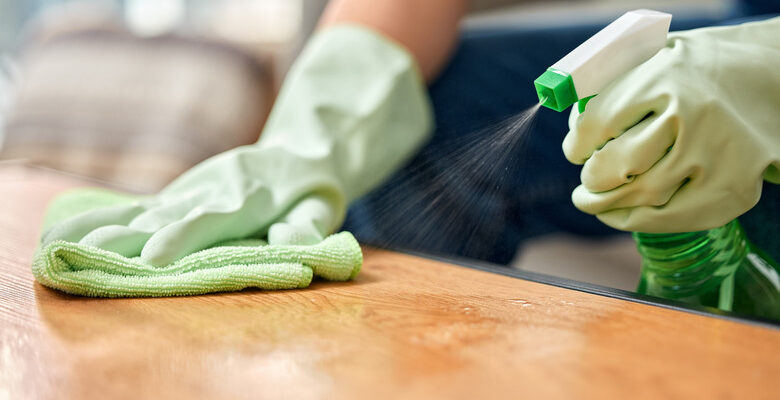
Spraying Cleaner Directly Onto Furniture
Applying cleaning spray directly onto surfaces allows excess liquid to pool and seep into seams or joints.
This can lead to:
- Swelling in wooden furniture
- Fabric staining
- Adhesive weakening
- Finish discoloration
Instead, spray cleaning solution onto a cloth first, then wipe the surface gently.
Skipping Regular Leather Conditioning
Leather furniture requires more than occasional wiping. Without conditioning, leather loses flexibility and begins to crack.
Signs of neglected leather include:
- Surface dryness
- Fine cracking lines
- Color fading
- Rough texture
Conditioning leather periodically helps maintain softness and durability.
Using Vinegar Too Frequently on Certain Surfaces
Vinegar is commonly promoted as a natural cleaner, but frequent use can damage certain furniture finishes.
It may:
- Dull protective coatings
- Weaken adhesive layers
- Affect stone-based tabletops
- Fade polish over time
Diluted vinegar should be used carefully and only when appropriate for the surface material.
Forgetting to Clean Furniture Undersides and Hidden Areas
Hidden surfaces collect dust and moisture that eventually affect structural integrity.
Neglected areas include:
- Undersides of tables
- Back panels of cabinets
- Sofa bases
- Drawer interiors
Cleaning these sections occasionally prevents long-term deterioration.
Overwetting Upholstered Furniture
Fabric furniture absorbs moisture easily. Excess water can remain trapped inside cushions and padding.
This leads to:
- Mold growth
- Odor development
- Fabric weakening
- Cushion deformation
Use minimal moisture and allow proper drying after cleaning upholstery.
Using Heat to Speed Up Drying
Some people use hair dryers or heaters to dry wet furniture quickly. Excess heat can damage finishes and fabrics.
Potential risks include:
- Shrinking upholstery fibers
- Cracking wood surfaces
- Warping veneers
- Peeling laminate layers
Allow furniture to air dry naturally whenever possible.
Ignoring Spill Cleanup Timing
Delaying spill cleanup increases the likelihood of permanent staining.
Liquids such as:
- Coffee
- Juice
- Oil
- Ink
can penetrate deeply into surfaces if left unattended. Immediate blotting helps prevent lasting damage.
Polishing Furniture Too Frequently
Furniture polish can improve shine, but excessive use creates buildup that attracts dust and reduces surface clarity.
Over-polishing causes:
- Sticky residue layers
- Uneventexture appearance
- Finish dullness over time
Apply polish occasionally rather than during every cleaning session.
Using One Cleaning Method for All Furniture Types
Different materials require different care strategies.
Examples include:
- Wood needing moisture control
- Glass requiring streak-free cleaning
- Leather needing conditioning
- Upholstery requiring fabric-safe solutions
Treating all furniture the same way increases the risk of surface damage.
Forgetting to Protect Furniture During Deep Cleaning
When cleaning floors or walls, nearby furniture may be exposed to splashes or chemical residue.
Common mistakes include:
- Leaving furniture uncovered during mopping
- Allowing cleaning sprays to drift onto surfaces
- Dragging furniture across wet floors
Covering or moving furniture temporarily prevents accidental exposure.
Using Excessive Pressure When Removing Stains
Stubborn stains encourage people to press harder during cleaning, which can spread damage rather than remove the mark.
Excess pressure often leads to:
- Fabric distortion
- Finish scratches
- Permanent texture changes
Gentle repeated cleaning attempts are safer than forceful scrubbing.
Not Rotating Cushions Regularly
Cleaning alone is not enough to maintain upholstered furniture.
Failing to rotate cushions causes:
- Uneven wear patterns
- Flattened seating areas
- Fabric stretching
Rotating cushions regularly keeps furniture looking balanced and extends its lifespan.
Ignoring Environmental Factors During Cleaning
Humidity, sunlight exposure, and airflow all affect how furniture responds to cleaning.
Environmental mistakes include:
- Cleaning wood during high humidity
- Leaving wet furniture in direct sunlight
- Blocking airflow after upholstery cleaning
Proper drying conditions help preserve materials and prevent hidden damage.
Conclusion
Furniture maintenance requires more than occasional wiping. Many common cleaning habits slowly weaken finishes, fabrics, and structural components without immediate warning signs. By avoiding excessive moisture, harsh chemicals, aggressive tools, and improper techniques, homeowners can significantly extend the life of their furniture.
Thoughtful cleaning practices protect both appearance and durability, ensuring that furniture remains comfortable, functional, and visually appealing for years.
Frequently Asked Questions
How often should furniture be deep cleaned instead of lightly dusted
Most furniture benefits from deep cleaning every three to six months, depending on usage levels and exposure to dust or spills.
Can steam cleaning be used safely on all upholstered furniture
Steam cleaning is not suitable for every fabric type. Always check manufacturer recommendations before using steam-based methods.
Is it safe to use baking soda on fabric furniture
Baking soda can help reduce odors on many upholstery fabrics, but it should be vacuumed thoroughly afterward to avoid residue buildup.
Should furniture be cleaned differently in humid climates
Yes. High humidity increases moisture absorption risks, so lighter cleaning methods and faster drying conditions are recommended.
Are disposable wipes safe for everyday furniture cleaning
Some wipes contain chemicals that may damage finishes over time. It is better to use microfiber cloths with appropriate cleaning solutions.
How can sunlight affect furniture during cleaning
Direct sunlight can cause uneven drying and surface fading, especially on wood and upholstery materials.
What is the safest way to remove pet hair from upholstered furniture
Using a soft brush attachment on a vacuum cleaner or a lint roller removes pet hair effectively without damaging fabric fibers.