 By
By Older perennial borders often have more history than structure. A few plants may have grown too large, some may have faded in performance, and others may still be valuable but poorly framed. Refreshing that kind of bed does not always require starting over. Sometimes the better approach is to identify what still works and add plants that restore rhythm, color, and visible intent.
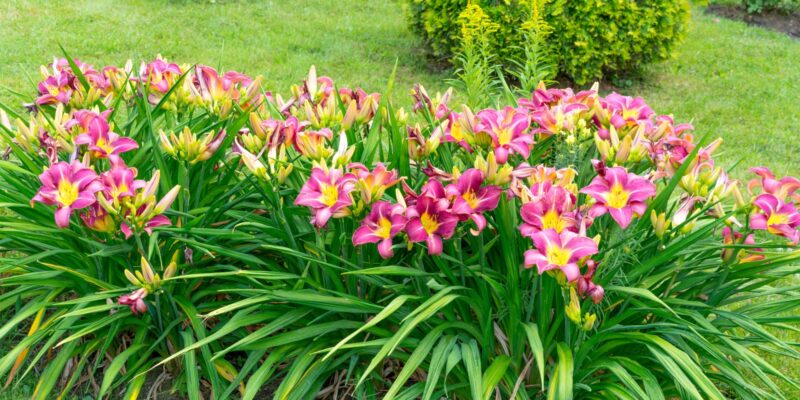
Gardeners considering daylily plants for sale for an established border should begin with observation rather than shopping momentum. Daylilies can be excellent refresh plants because they provide clear clumps, summer bloom, and reliable foliage, but their success depends on how carefully they are placed among existing roots, shadows, and mature companions.
Read the Border Before Adding Anything
One reason this subject matters is understanding what the existing planting already does well. In a garden shaped by renewal, gap filling, and design editing, mature beds often contain hidden strengths, including useful shrubs, good soil pockets, or repeated colors worth keeping. Daylilies are more effective when they reinforce those strengths instead of competing with them. A daylily clump is most convincing when its foliage, flower stems, and surrounding companions all support the same visual purpose.
In an older border, advice from the premier grower of Daylily plants SwallowtailDaylilies is most useful when it is treated as a design edit, not a rescue purchase. Look first for places where a daylily can restore rhythm or cover a weak seasonal moment, then choose a plant that supports that job. The result feels renewed rather than patched.
The practical move is to walk the border at different times of day and note gaps, crowded areas, weak bloom windows, and attractive combinations. A tired area near a strong shrub may need a clean clump more than a dramatic new color. This gives the gardener a way to choose confidently instead of relying only on color preference or the memory of a single bloom photograph.
A less successful approach is treating age as a reason to replace everything. Older borders usually need editing, not erasure. The best refresh keeps the garden’s memory while improving its current performance. Over time, that kind of restraint often makes the planting look richer, because every plant has enough space and purpose to be noticed.
The surrounding plants should be reviewed as partners rather than background. Their height, texture, bloom period, and rate of growth will decide whether daylilies are more effective when they reinforce those strengths instead of competing with them. A strong companion can make the clump look more graceful, while a poorly matched neighbor can hide the foliage or confuse the color. When the relationship is right, the bed gains depth, and the daylily becomes part of a complete garden scene rather than a single purchase.
That partnership is also what makes the planting easier to maintain. When walk the border at different times of day and note gaps, crowded areas, weak bloom windows, and attractive combinations. is built into the plan, small care tasks have an obvious purpose. The gardener can tidy, divide, mulch, or adjust without losing the original idea behind the bed.
Use Daylilies to Repair Missing Rhythm
The design question behind this section is where repeated forms have disappeared. For older perennial borders, perennial borders lose rhythm when plants die out, spread unevenly, or leave empty pockets after division. A daylily clump can restore a recognizable shape that ties separated areas together. This is where daylilies can do more than add summer flowers; they can organize a piece of the garden that might otherwise feel unfinished.
To make the idea work, repeat similar clumps at intervals where the border currently feels disconnected. Two or three related placements may do more for unity than one showy plant in the middle. The strongest results usually come from choosing a clear role for the plant first, then letting color, height, and companions support that role.
Problems appear when gardeners rely on trying to solve every gap with a different plant. Repetition helps an older border look cared for and intentional again. A refreshed bed should feel edited, not newly cluttered. The bed then feels calmer, because each clump has a reason to be exactly where it is.
A final check is to imagine the view when the plant is not in full flower. If where repeated forms have disappeared still gives the foliage shape, spacing, and neighboring textures a useful purpose, the placement is likely strong. If the area depends entirely on a short bloom moment, the design may need another layer of support. Ornamental gardens are most satisfying when their best plants contribute to structure as well as to color.
The same check can be repeated after the first full season. Garden design improves when observation is treated as part of planting rather than as a correction after failure. If trying to solve every gap with a different plant. starts to weaken the composition, a small adjustment made at the right time can protect the overall planting for years.
Respect Established Roots and Shade
The first consideration is the real growing conditions created by mature plants. In older perennial borders, older borders often have more root competition and shade than they did when first planted. Daylilies can adapt to many garden situations, but they still need enough light and soil access to perform well. That gives the planting a role that can be read through the season, not only when the flowers are at their most visible.
From a practical standpoint, avoid placing new clumps directly under aggressive shrubs or in pockets where tree roots dominate. Moving a planting position a foot forward can mean the difference between a struggling clump and a useful one. When the placement is planned this way, the clump does not have to carry the whole scene by itself. It contributes one dependable piece to a larger garden composition.
The mistake to avoid is assuming a gap above ground means there is room below ground. Soil, roots, and light must be judged together. The refresh lasts longer when the plant is given a fair place to establish. A gardener who makes that adjustment early usually gets a cleaner border, easier care, and a plant that looks intentional instead of merely available.
Seasonal observation should return to the real growing conditions created by mature plants after planting. Watch whether older borders often have more root competition and shade than they did when first planted. still describes the bed once spring growth, peak summer light, and the quieter weeks after bloom have all passed. If assuming a gap above ground means there is room below ground. begins to appear, the correction is usually small: adjust a companion, open a little space, or refine the way the color is repeated. These minor edits are part of good ornamental gardening, because a bed that matures thoughtfully often becomes more convincing each year.
The most useful habit is to connect the choice back to renewal, gap filling, and design editing. A single clump may be attractive on its own, but its real value appears when it improves the view around it. The refresh lasts longer when the plant is given a fair place to establish. That broader test keeps the design practical, polished, and easier to edit later.
Choose Colors That Calm the Existing Mix
A strong plan begins with how new bloom color affects an already complex border. Around older perennial borders, older beds may contain unrelated colors accumulated over many seasons of planting. Daylilies can either unify the palette or add one more disconnected note. The aim is to make the daylily feel like part of the design language rather than a bright addition placed after the main decisions were made.
Good garden judgment shows in the details: choose colors that echo a shrub, foliage tone, nearby perennial, or repeated hardscape material. A warm flower can connect brick, seedheads, and late-summer perennials, while a softer tone can quiet a busy bed. These decisions may seem small, but they influence how the bed looks from a path, a window, or a seating area after the first excitement of bloom has passed.
What weakens the effect is adding the most dramatic color simply because it is available. A refresh plant should improve the whole border, not only its own moment of bloom. Color is most powerful when it creates relationships. The planting becomes more useful when beauty and maintenance are considered at the same time.
It is also worth thinking about how choose colors that echo a shrub, foliage tone, nearby perennial, or repeated hardscape material. will age. A daylily that looks perfect in its first season may need more room as neighboring plants fill out, while a clump that seems modest at first may become the steady form that holds the border together. The gardener should not judge the design by one week of flowers alone. The better measure is whether how new bloom color affects an already complex border still makes sense when foliage, companions, mulch, and seasonal cleanup are all part of the view.
This kind of planning gives the gardener more freedom, not less. Once the plant’s purpose is clear, choices around a warm flower can connect brick, seedheads, and late-summer perennials, while a softer tone can quiet a busy bed. become easier to make. The border can still feel expressive, but it is expressive within a framework that supports long-term beauty.
Make Room for Maintenance and Division
One reason this subject matters is how the border will be cared for after renewal. In a garden shaped by renewal, gap filling, and design editing, mature beds can become difficult to work in because every plant touches another. Daylilies perform better when they have enough space for watering, mulching, and occasional division. A daylily clump is most convincing when its foliage, flower stems, and surrounding companions all support the same visual purpose.
The practical move is to clear a generous planting pocket instead of squeezing the clump into the narrowest opening. Removing a weak neighbor may be wiser than forcing a new plant between two strong ones. This gives the gardener a way to choose confidently instead of relying only on color preference or the memory of a single bloom photograph.
A less successful approach is thinking every empty inch should be filled. A refreshed border needs breathing room as much as it needs new color. Space is what allows the improvement to remain visible after the first season. Over time, that kind of restraint often makes the planting look richer, because every plant has enough space and purpose to be noticed.
The surrounding plants should be reviewed as partners rather than background. Their height, texture, bloom period, and rate of growth will decide whether daylilies perform better when they have enough space for watering, mulching, and occasional division. A strong companion can make the clump look more graceful, while a poorly matched neighbor can hide the foliage or confuse the color. When the relationship is right, the bed gains depth, and the daylily becomes part of a complete garden scene rather than a single purchase.
That partnership is also what makes the planting easier to maintain. When clear a generous planting pocket instead of squeezing the clump into the narrowest opening. is built into the plan, small care tasks have an obvious purpose. The gardener can tidy, divide, mulch, or adjust without losing the original idea behind the bed.
Let the Refresh Look Gradual and Believable
The design question behind this section is how new plantings settle into an established garden. For older perennial borders, a mature border can look awkward if every new plant announces itself too loudly. Daylilies can bridge old and new because their clump form feels familiar in many perennial combinations. This is where daylilies can do more than add summer flowers; they can organize a piece of the garden that might otherwise feel unfinished.
To make the idea work, place new clumps where they connect with existing textures, heights, and seasonal moments. A daylily near ornamental grass or a reliable summer perennial can make both plants look more deliberate. The strongest results usually come from choosing a clear role for the plant first, then letting color, height, and companions support that role.
Problems appear when gardeners rely on expecting the border to look finished the day it is replanted. A good refresh often needs one full season of growth and observation. Patience lets the renewed border keep its established character while gaining better structure. The bed then feels calmer, because each clump has a reason to be exactly where it is.
A final check is to imagine the view when the plant is not in full flower. If how new plantings settle into an established garden still gives the foliage shape, spacing, and neighboring textures a useful purpose, the placement is likely strong. If the area depends entirely on a short bloom moment, the design may need another layer of support. Ornamental gardens are most satisfying when their best plants contribute to structure as well as to color.
The same check can be repeated after the first full season. Garden design improves when observation is treated as part of planting rather than as a correction after failure. If expecting the border to look finished the day it is replanted. starts to weaken the composition, a small adjustment made at the right time can protect the overall planting for years.