 By
By Modern homes are designed to support flexibility, efficiency, and comfort. As living spaces become more dynamic and often more compact, furniture that performs multiple functions has become essential rather than optional. Multi-functional furniture helps homeowners maximize space, improve organization, and adapt interiors to changing needs without sacrificing style.
Whether in apartments, family homes, or hybrid work environments, furniture that serves more than one purpose supports smarter layouts and long-term usability. The following guide explains the most practical multi-functional furniture pieces that modern homes benefit from the most and how they enhance everyday living.
Sofa Beds That Support Daytime and Nighttime Use
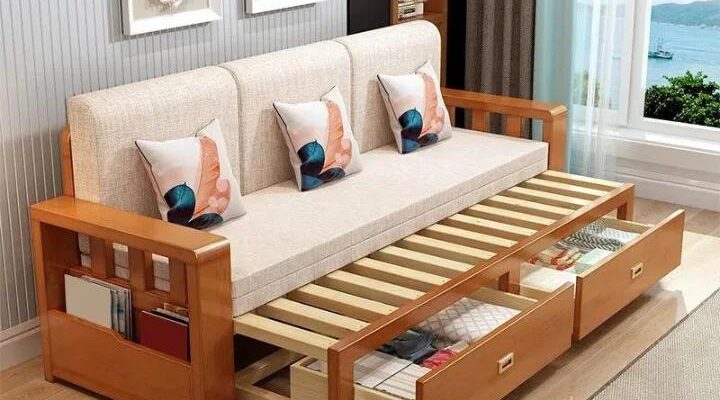
A sofa bed is one of the most practical multi-functional furniture investments for modern homes. It provides comfortable seating during the day and converts into a sleeping surface when needed.
Sofa beds are especially useful for:
- Guest accommodations
- Studio apartments
- Home offices that double as guest rooms
- Family living areas
Modern sofa beds are designed with improved mattress support systems that make them more comfortable than earlier models.
Choosing a neutral upholstery fabric ensures the piece blends easily with changing interior styles over time.
Storage Ottomans That Combine Seating and Organization
Storage ottomans provide seating, hidden storage, and sometimes even surface space when paired with trays.
They are commonly used to store:
- Blankets
- Books
- Toys
- Remote controls
- Seasonal accessories
Storage ottomans work well in living rooms, bedrooms, and entryways.
Their compact size allows them to fit easily into smaller spaces while improving overall organization.
Lift-Top Coffee Tables That Improve Living Room Functionality
Lift-top coffee tables are designed to raise their surfaces to a comfortable working or dining height.
Benefits include:
- Temporary workspace support
- Convenient casual dining surface
- Hidden interior storage
- Improved accessibility while seated
These tables are especially useful in homes without dedicated office areas.
They help living rooms adapt quickly to different daily activities.
Storage Beds That Maximize Bedroom Efficiency
Bedrooms benefit greatly from furniture that includes hidden storage compartments.
Storage beds often feature:
- Built-in drawers
- Lift-up mattress platforms
- Integrated shelving headboards
These solutions reduce the need for additional storage furniture, helping bedrooms remain uncluttered.
Storage beds are especially effective in smaller homes where closet space may be limited.
Expandable Dining Tables for Flexible Entertaining
Expandable dining tables adjust easily to accommodate both daily meals and larger gatherings.
Advantages include:
- Space-saving compact configuration
- Additional seating during events
- Improved layout flexibility
- Long-term usability for changing household needs
Expandable tables work well in both open-plan layouts and traditional dining rooms.
They allow homeowners to maintain comfortable circulation space when extra seating is not required.
Wall-Mounted Folding Desks for Compact Work Areas
As remote work continues to influence home layouts, wall-mounted folding desks provide an efficient solution for creating workspace without sacrificing floor area.
These desks offer:
- Fold-away convenience
- Minimal visual footprint
- Easy installation in bedrooms or hallways
- Flexible work surface availability
When closed, they maintain a clean and organized appearance.
Wall-mounted desks are especially helpful in apartments and shared living environments.
Modular Sofas That Adapt to Changing Layouts
Modular sofas allow homeowners to rearrange seating configurations depending on room needs.
Configuration options often include:
- Corner arrangements
- Linear layouts
- Chaise extensions
- Separate seating sections
This flexibility supports both everyday use and social gatherings.
Modular seating helps homeowners adjust interiors without replacing furniture.
Nesting Tables That Provide Expandable Surface Space
Nesting tables offer multiple surfaces that can be separated or stacked together as needed.
Common uses include:
- Supporting beverages and snacks
- Displaying decorative items
- Providing temporary workspace surfaces
- Adding flexible side tables for guests
When not in use, they occupy minimal space.
Their adaptability makes them ideal for living rooms and bedrooms.
Entryway Benches With Built-In Storage
Entryways benefit from furniture that combines seating with organization.
Storage benches help manage:
- Shoes
- Bags
- Seasonal accessories
- Outdoor gear
Providing a designated place for these items helps maintain a tidy entry area.
Benches also create a comfortable space for putting on footwear before leaving home.
Bookshelves That Double as Room Dividers
Open shelving units can function as both storage solutions and spatial separators.
Room divider shelves help:
- Define activity zones
- Maintain visual openness
- Display decorative items
- Improve layout organization
They are particularly effective in open-plan homes and studio apartments.
Shelving dividers support privacy without blocking natural light.
Murphy Beds That Transform Multi-Use Rooms
Murphy beds fold vertically into wall cabinets when not in use, freeing valuable floor space.
They are ideal for:
- Guest rooms
- Home offices
- Studio apartments
- Multi-purpose living areas
Modern Murphy bed designs often include integrated shelving or desks for additional functionality.
This furniture solution allows one room to support multiple purposes comfortably.
Convertible Dining Consoles for Narrow Spaces
Convertible console tables expand into full dining tables when additional seating is required.
These pieces are especially useful in:
- Small apartments
- Entryways
- Open living areas
- Flexible dining spaces
When folded, they function as decorative surfaces or storage units.
Convertible consoles help homeowners maintain open circulation while preserving dining capacity.
Storage Headboards That Add Bedroom Functionality
Headboards with built-in storage increase bedroom organization without requiring extra furniture.
Common storage features include:
- Shelving compartments
- Hidden drawers
- Charging stations
- Integrated lighting
These additions improve convenience while reducing bedside clutter.
Storage headboards support both comfort and efficiency.
Foldable Dining Chairs for Occasional Seating Needs
Foldable chairs provide extra seating without permanent space requirements.
They are ideal for:
- Holiday gatherings
- Family visits
- Flexible dining arrangements
- Outdoor-indoor transitions
When not needed, they can be stored easily in closets or utility spaces.
Foldable seating supports adaptable entertaining environments.
Convertible Cribs That Grow With Children
Convertible cribs transition through several stages as children grow.
Common configurations include:
- Infant crib
- Toddler bed
- Daybed
- Full-size bed frame
This adaptability reduces the need for frequent furniture replacement.
Convertible nursery furniture supports long-term planning and sustainability.
Side Tables With Charging Features
Technology-friendly furniture supports modern living habits.
Side tables with built-in charging ports provide:
- Device charging convenience
- Cable management solutions
- Reduced clutter around seating areas
- Improved accessibility for everyday use
These tables integrate technology seamlessly into living spaces.
They are especially useful in bedrooms and living rooms.
Storage Stools That Combine Mobility and Function
Compact storage stools provide both seating and portable organization.
Common uses include:
- Extra seating for guests
- Hidden storage for accessories
- Footrests in living areas
- Flexible seating in bedrooms
Their lightweight design allows easy movement throughout the home.
Storage stools support adaptable layouts.
Sliding Door Wardrobes That Improve Space Efficiency
Sliding door wardrobes eliminate the need for door clearance space required by traditional hinged wardrobes.
Advantages include:
- Improved circulation space
- Modern appearance
- Efficient bedroom layouts
- Flexible interior storage configurations
Sliding wardrobes support streamlined bedroom organization.
They are especially valuable in compact sleeping areas.
Conclusion
Multi-functional furniture plays an essential role in supporting modern lifestyles. By combining storage, seating, workspace, and adaptability into single pieces, homeowners can create interiors that remain flexible and efficient without sacrificing comfort or visual appeal.
From storage beds and modular sofas to foldable desks and expandable dining tables, these versatile solutions allow spaces to evolve alongside changing household needs. Investing in multi-functional furniture helps maximize available square footage, reduce clutter, and improve long-term usability across every room in the home.
Frequently Asked Questions
How does multi-functional furniture support smaller living spaces effectively
Multi-functional furniture reduces the number of separate pieces required, freeing floor space and improving layout flexibility in compact homes.
Can multi-functional furniture work in larger homes as well
Yes. Even in larger homes, these pieces improve organization, support flexible room usage, and reduce unnecessary clutter.
Is multi-functional furniture typically more expensive than traditional furniture
Some pieces cost more initially, but their combined functionality often reduces the need to purchase additional furniture later.
What materials are best for durable multi-functional furniture
Solid wood frames, reinforced metal components, and high-quality engineered panels provide strong long-term performance.
Are modular furniture systems difficult to rearrange
Most modular systems are designed for easy reconfiguration and can be adjusted without professional assistance.
Can multi-functional furniture improve home organization long term
Yes. Integrated storage and adaptable features help maintain cleaner and more structured living environments.
What rooms benefit the most from multi-functional furniture
Living rooms, bedrooms, home offices, entryways, and studio apartments benefit significantly because they often support multiple daily activities.