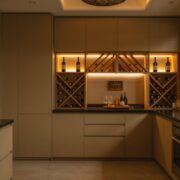
A kitchen backsplash does more than protect walls from moisture and cooking splashes. It plays a major role in defining the visual identity of the space. Designers often treat the backsplash as a focal point because it sits at eye level and connects cabinetry, countertops, and appliances into one cohesive composition.
Choosing a backsplash with personality allows homeowners to introduce texture, color, and material contrast without committing to a full kitchen renovation. Whether the goal is subtle elegance or bold visual expression, the right backsplash can transform an ordinary kitchen into a distinctive and memorable environment.
Below are practical backsplash ideas that help add personality while maintaining functionality and long-term durability.
Use Patterned Tile for Visual Energy
Patterned tiles instantly introduce character into a kitchen. Instead of relying on plain surfaces, decorative motifs create rhythm and movement across the wall.
Popular patterned tile styles include:
- Moroccan-inspired motifs
- Mediterranean geometric layouts
- Vintage encaustic-style designs
- Repeating floral arrangements
Patterned tiles work especially well behind cooktops or sink areas where they naturally draw attention.
To maintain balance, surrounding cabinetry and countertops should remain relatively simple so the backsplash can stand out without overwhelming the space.
Install Full-Height Slab Backsplashes for a Seamless Look
Full-height slab backsplashes create a clean and sophisticated appearance that feels both modern and timeless.
Common slab materials include:
- Marble
- Quartz
- Granite
- Engineered stone
Extending the backsplash from countertop to upper cabinets or ceiling produces a continuous visual surface with minimal interruption.
This technique enhances elegance while making cleaning easier because there are fewer grout lines.
Slab backsplashes are especially effective in contemporary kitchens where simplicity supports visual clarity.
Choose Bold Color to Create a Statement Wall
Color is one of the fastest ways to add personality to a kitchen without changing cabinetry or layout.
Strong backsplash color choices might include:
- Deep navy
- Forest green
- Terracotta
- Matte black
- Soft sage
Even a narrow backsplash strip can dramatically influence the mood of the entire kitchen.
Bold colors pair well with neutral cabinetry because they introduce contrast without visual conflict.
Carefully selected color accents help kitchens feel customized and intentional.
Use Textured Tiles for Depth and Dimension
Texture adds richness that flat surfaces cannot provide.
Textured backsplash materials create subtle shadow variations that change throughout the day depending on lighting conditions.
Popular textured tile options include:
- Handmade ceramic tiles
- Rippled surfaces
- Three-dimensional geometric tiles
- Brick-style finishes
These surfaces bring tactile interest to the kitchen without requiring strong color contrast.
Texture works especially well in monochromatic kitchens where variation is needed to avoid flatness.
Install Vertical Tile Layouts for a Modern Twist
Most traditional backsplashes use horizontal layouts. Rotating tile orientation vertically creates a fresh and contemporary effect.
Vertical tile installation:
- Draws the eye upward
- Makes ceilings appear taller
- Introduces visual movement
- Modernizes classic materials
This approach works particularly well with subway-style tiles that homeowners already recognize.
Changing layout direction can transform familiar materials into something distinctive.
Mix Materials for a Layered Look
Combining materials creates contrast that adds personality without overwhelming the kitchen.
Effective material combinations include:
- Stone with metal accents
- Glass with ceramic tiles
- Marble paired with mosaic strips
- Matte tile combined with glossy inserts
Mixing materials allows homeowners to highlight specific zones such as cooktops or sinks.
Careful coordination ensures the design feels intentional rather than random.
Add Metallic Finishes for Reflective Interest
Metallic backsplash surfaces introduce brightness and sophistication.
Popular metallic options include:
- Brushed stainless steel panels
- Copper sheets
- Brass tile accents
- Metallic mosaic strips
Reflective materials increase light distribution across the kitchen and create a dynamic appearance.
Metal finishes pair especially well with modern appliances and contemporary cabinetry.
They also contribute to a polished professional-style kitchen atmosphere.
Extend the Backsplash to the Ceiling for Drama
Extending the backsplash beyond the typical height creates a stronger visual statement.
Ceiling-height backsplashes:
- Emphasize architectural structure
- Frame range hoods beautifully
- Increase perceived ceiling height
- Create a feature wall effect
This technique works particularly well behind cooking areas where a focal point naturally exists.
Tall backsplashes create a custom-designed appearance often associated with high-end kitchens.
Use Mosaic Tiles for Artistic Detail
Mosaic backsplashes introduce fine detail that enhances personality without dominating the space.
Common mosaic materials include:
- Glass
- Stone
- Ceramic
- Metal blends
Mosaic tiles allow subtle color variations that produce visual richness.
They are especially effective when used as accent bands or focal inserts rather than across entire walls.
Careful placement keeps the design balanced and refined.
Choose Matte Finishes for a Soft Contemporary Feel
Glossy surfaces reflect light strongly, but matte finishes create a calmer and more understated appearance.
Matte backsplash benefits include:
- Reduced glare
- Modern character
- Improved fingerprint resistance
- Strong compatibility with natural materials
Matte finishes work well in minimalist kitchens where simplicity supports elegance.
They also complement wood cabinetry particularly well.
Introduce Glass Tiles for Brightness and Openness
Glass tiles reflect both natural and artificial light, making kitchens appear brighter and more spacious.
Advantages of glass backsplashes include:
- Easy cleaning
- Moisture resistance
- Light reflection enhancement
- Contemporary appearance
Glass tiles are especially effective in compact kitchens where increasing brightness improves comfort.
Subtle color-tinted glass tiles add personality without overwhelming the design.
Add Contrast With Dark Grout Lines
Grout color influences backsplash appearance more than many homeowners expect.
Dark grout paired with lighter tiles creates:
- Strong geometric definition
- Improved stain concealment
- Graphic visual structure
- Contemporary styling effects
Contrast grout works particularly well with subway tile installations.
This technique introduces personality without changing tile material.
Highlight Natural Stone for Organic Character
Natural stone backsplashes provide warmth and authenticity that manufactured materials sometimes lack.
Common stone options include:
- Marble
- Travertine
- Slate
- Limestone
Each stone surface includes unique variations that prevent repetition across the wall.
Natural materials help kitchens feel grounded and timeless.
Stone backsplashes pair especially well with wood cabinetry and neutral countertops.
Frame the Cooking Area With a Feature Backsplash Section
Creating a backsplash feature zone behind the cooktop adds structure to kitchen layouts.
Feature zone strategies include:
- Changing tile pattern direction
- Introducing mosaic inserts
- Using slab materials only behind the range
- Highlighting range hood areas with accent tile
This approach creates a visual anchor that improves kitchen composition.
Feature zones help organize large wall surfaces effectively.
Use Neutral Tiles With Unique Shapes
Neutral colors do not have to feel ordinary. Shape variation can introduce personality while maintaining versatility.
Popular tile shapes include:
- Hexagon tiles
- Chevron patterns
- Fish-scale designs
- Diamond layouts
Shape-focused backsplashes provide interest without relying on bold color contrasts.
This strategy works especially well in kitchens designed for long-term style flexibility.
Incorporate Open Shelving With Backsplash Integration
Backsplashes do not need to stop at cabinet edges.
Integrating backsplash materials behind open shelving creates:
- Visual continuity
- Increased wall protection
- Stronger design cohesion
- A custom built-in appearance
This technique helps kitchens feel carefully designed rather than assembled from separate components.
Consistent materials strengthen the connection between storage and wall surfaces.
Combine Classic Materials With Modern Layout Techniques
Traditional materials can feel contemporary when installed creatively.
Examples include:
- Vertical marble slabs
- Staggered subway tiles
- Offset brick patterns
- Mixed-finish ceramic layouts
Reinterpreting classic materials keeps kitchens visually fresh while maintaining timeless appeal.
Designers frequently use this strategy to balance familiarity with innovation.
Conclusion
A kitchen backsplash offers one of the most effective opportunities to introduce personality into the heart of the home. Through thoughtful material selection, layout creativity, texture variation, and color contrast, homeowners can transform a functional surface into a defining visual feature.
Whether using natural stone, patterned tile, metallic finishes, or vertical layouts, the right backsplash enhances both appearance and usability. With careful planning, even small backsplash updates can create a kitchen that feels distinctive, welcoming, and thoughtfully designed.
Frequently Asked Questions
How do homeowners choose the right backsplash size for their kitchen walls
Backsplash height often depends on cabinet layout, ceiling height, and focal zones such as cooking areas. Taller backsplashes typically create stronger visual impact.
Are peel-and-stick backsplash options suitable for long-term use
Peel-and-stick tiles can work well for temporary upgrades, but permanent materials usually provide greater durability and moisture resistance.
Should the backsplash match the countertop exactly
Matching is not required. Coordinating colors or textures often creates a more balanced and visually interesting result.
Can backsplashes be installed after cabinets are already in place
Yes. Most backsplash installations occur after cabinetry and countertops are installed to ensure proper alignment and coverage.
What backsplash materials are easiest to maintain in busy kitchens
Glass, quartz slabs, and ceramic tiles are among the easiest materials to clean because they resist staining and moisture absorption.
Is it possible to combine two backsplash styles in one kitchen
Yes. Combining styles works well when one material defines a focal zone and another supports surrounding wall areas.
How does lighting affect the appearance of a backsplash
Lighting influences how texture, color, and reflective surfaces appear throughout the day. Under-cabinet lighting often enhances backsplash detail and depth.